
Fun Autism Activities for Speech Therapy and Play
Boost communication skills with 10 engaging autism activities for speech therapy. Discover sensory play, video modeling, and expert tips to support your child
 Von Speech Blubs Team•Apr 27, 2026•13 Min.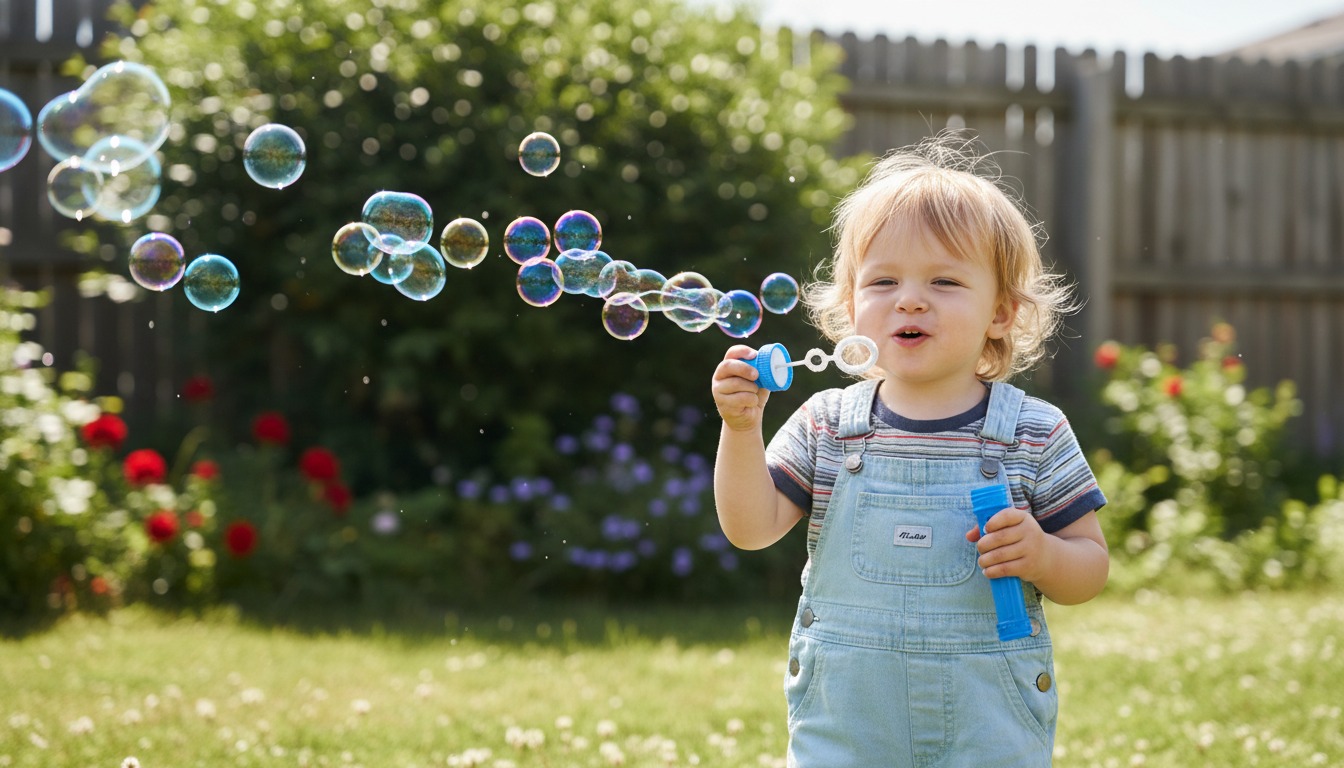
Table of Contents
- Introduction
- Understanding Communication in Autism
- 10 Engaging Autism Activities for Speech Therapy
- The Science of Video Modeling
- Why Speech Blubs is Different from Cartoons
- Transparency in Our Pricing and Value
- Setting Realistic Expectations
- Incorporating Activities into Daily Routines
- Frequently Asked Questions (FAQs)
- Conclusion
Introduction
Did you know that nearly 1 in 4 children will require some form of speech support during their developmental years? For parents of children on the autism spectrum, this journey often begins with a unique realization: your child experiences and communicates with the world in a way that is entirely their own. Perhaps they find more joy in the rhythmic hum of a spinning toy than in a back-and-forth conversation, or maybe they express their needs through gestures rather than words. These nuances aren’t "problems" to be fixed; they are invitations to connect using a different set of tools.
At Speech Blubs, our mission is to empower every child to speak their minds and hearts. We understand the challenges families face because our founders grew up with speech hurdles themselves. They created the tool they wished they had—one that blends scientific principles with the pure joy of play. In this post, we will explore a variety of engaging autism activities for speech therapy that you can do at home. We’ll cover everything from sensory-based play and musical interaction to the cutting-edge science of video modeling, providing you with practical strategies to foster a love for communication and build your child's confidence.

Our goal is to move beyond passive screen time and toward "smart screen time" experiences that encourage family connection. By the end of this article, you’ll have a robust toolkit of activities and a deeper understanding of how to support your child’s unique communication path.
Understanding Communication in Autism
Autism Spectrum Disorder (ASD) is a neurodivergent condition that affects how a person processes information and interacts with others. In the world of speech therapy, we often talk about the "spectrum" because every child’s support needs are different. Some children may be non-verbal, while others may have a vast vocabulary but struggle with the social nuances of a two-way conversation.
One concept gaining traction in child development is the "double empathy problem." This suggests that communication breakdowns between autistic and neurotypical individuals aren't just the "fault" of the autistic person. Rather, it’s a two-way street where both parties may struggle to understand the other's internal experiences and social cues. Effective autism activities for speech therapy bridge this gap by focusing on shared interests and predictable routines.
The Importance of Early Intervention
Research consistently shows that early intervention can significantly improve long-term outcomes for children with communication delays. By introducing speech-rich activities early, we help children develop foundational skills like joint attention (looking at the same thing as another person), imitation, and turn-taking.
If you are just beginning this journey and feel uncertain about where your child stands, we recommend taking our quick 3-minute preliminary screener. It involves 9 simple questions and provides an assessment and a next-steps plan to help you navigate your child's needs with confidence.
10 Engaging Autism Activities for Speech Therapy
The best speech therapy happens when a child doesn't even realize they are "working." By turning therapy into play, we reduce frustration and build a positive association with communication. Here are ten activities you can start using today.

1. The Animal Noise Symphony
Many children on the spectrum have a natural affinity for animals. Animal sounds are often easier to imitate than complex words because they are repetitive and phonetically simple.
How to do it: Use toy animals or picture cards. As your child picks up a cow, exaggerate the "Moooo" sound. For a parent whose 3-year-old "late talker" loves animals, the "Animal Kingdom" section in the Speech Blubs app offers a fun, motivating way to practice these sounds through peer-led video modeling. Why it works: It builds the foundation for imitation and helps children realize that the sounds they make can represent specific objects.
2. Offering Choices (The Power of "This or That")
Giving a child a choice empowers them and provides a functional reason to communicate.
How to do it: During snack time or when getting dressed, hold up two options (e.g., an apple or a banana). Ask, "Do you want the apple or the banana?" while pointing to each. Why it works: This encourages the child to use a gesture (pointing) or a verbal label to get what they want, reinforcing the idea that communication leads to a desired outcome.
3. Sensory Bins with a Speech Twist
Children with autism often have unique sensory needs. Sensory play can be a powerful gateway to language.
How to do it: Fill a bin with rice, beans, or water beads. Hide small toys inside. As your child finds a toy, use a target word like "Look!", "In!", or "Found it!" Why it works: The tactile stimulation keeps the child engaged and regulated, making them more open to processing auditory information and attempting new words.
4. Mirror Me: Imitation Games
Imitation is one of the most critical precursors to speech. If a child can't yet imitate a physical action, they will likely struggle to imitate a speech sound.
How to do it: Sit in front of a mirror with your child. Make a funny face, clap your hands, or stick out your tongue. Wait for them to copy you. Why it works: Mirrors provide immediate visual feedback. This activity strengthens the neural pathways used for imitation, which is exactly how our video modeling technology works on a digital scale.
5. Essential Word Mastery
Focus on "power words" that give your child control over their environment. These include "More," "Help," "Stop," and "All done."
How to do it: During a favorite activity, like swinging or playing with bubbles, stop the action. Wait for the child to indicate they want "more" through a sign, a sound, or a word before continuing. Why it works: It teaches the functional use of language. When a child learns that saying "help" solves a problem, their frustration decreases significantly.
6. The Mystery Bag Story
This activity is fantastic for older children or those working on expanding their vocabulary and descriptive skills.
How to do it: Place several familiar objects in an opaque bag. Have your child reach in, feel an object, and try to describe it before pulling it out (e.g., "It's soft," "It's round"). Why it works: It encourages descriptive language and helps children practice using words to convey information that isn't immediately visible to the listener.
7. Sing-Along and Fill-in-the-Blank
Music is processed in multiple areas of the brain, which is why many children with autism can sing lyrics before they can speak sentences.
How to do it: Sing a familiar song like "Twinkle Twinkle Little Star" or "Old MacDonald." Pause at the end of a line (e.g., "Twinkle, twinkle, little...") and wait for your child to fill in the word "star." Why it works: The rhythm and melody provide a predictable structure that makes it easier for the child to anticipate and produce the correct word.
8. Picture-Story Pass
Social communication often involves sequencing—understanding that one thing happens after another.
How to do it: Use three to four picture cards that tell a simple story (e.g., a boy gets a bowl, pours cereal, then eats). Have the child arrange them and describe what is happening. Why it works: This builds narrative skills and helps children understand the "who, what, and where" of communication.
9. Facial Expression Matching
Understanding emotions is a common challenge for children on the spectrum.
How to do it: Use "Emotion Cards" with photos of real people. Ask your child to find the "happy" face or the "sad" face. You can also practice making these faces in a mirror together. Why it works: It helps bridge the gap in social-emotional understanding, which is a core component of effective communication.
10. Role-Play Scenarios
Practicing real-world interactions in a safe environment reduces anxiety when the situation occurs in real life.
How to do it: Set up a pretend "grocery store" or "doctor's office." Practice simple scripts like "Hello," "How much is this?", or "Thank you." Why it works: It provides a low-pressure way to practice social scripts and builds the confidence needed for community interactions.
The Science of Video Modeling
At Speech Blubs, our approach is rooted in the proven methodology of video modeling. This isn't just watching a cartoon; it's a "smart screen time" experience where children watch their peers perform specific speech actions.
When a child watches another child—rather than an adult or an animation—their "mirror neurons" are more likely to fire. These are the brain cells that respond when we perform an action and when we see someone else perform that same action. For a child with autism, peer modeling feels attainable and less intimidating than direct instruction from an adult.
Our method is backed by science and has earned high marks on the MARS scale for quality and engagement. You can read more about the research behind our approach here.
"Speech Blubs isn't about replacing human interaction; it's about providing a joyful, effective spark that parents and children can use together to ignite a love for communication."
Why Speech Blubs is Different from Cartoons
It is easy to lump all "screen time" into one category, but there is a vast difference between passive consumption and active learning. Traditional cartoons often move too fast, have overwhelming sensory input, and offer no opportunity for the child to participate.
Speech Blubs is designed to be a "screen-free" alternative in spirit—meaning it encourages the child to look away from the screen and interact with the parent. We advocate for "co-play," where the parent sits with the child, mimics the sounds on the screen, and celebrates every attempt at communication. This creates a powerful tool for family connection rather than a digital babysitter.
Transparency in Our Pricing and Value
We believe in being upfront with parents so you can make the best decision for your family. We offer two main ways to access our comprehensive suite of tools:
- Monthly Plan: $14.99 per month. This is a great way to test the waters if you're looking for a short-term supplement to therapy.
- Yearly Plan: $59.99 per year. This is the clear best choice for most families, breaking down to just $4.99 per month (a 66% savings over the monthly rate).
The Yearly Plan offers exclusive benefits that the Monthly plan does not, including:
- A 7-day free trial: Experience the full power of the app risk-free.
- Reading Blubs: Access to our additional app designed to help children transition from speaking to reading.
- Early Access: Be the first to try new updates and features.
- Priority Support: A 24-hour response time from our dedicated support team.
We encourage you to choose the Yearly plan to ensure your child has consistent, high-quality support as they develop their communication skills. You can create your account and start your free trial here.
Setting Realistic Expectations
It is important to remember that every child's developmental timeline is unique. While we provide a powerful supplement to a child’s development plan, we do not suggest guaranteed overnight outcomes. Speech development is a marathon, not a sprint.
The goal of these autism activities for speech therapy is to:
- Foster a genuine love for communication.
- Build confidence in social settings.
- Reduce the frustration that comes from being misunderstood.
- Create joyful learning moments between you and your child.
For many families, Speech Blubs serves as an incredible companion to professional speech-language therapy, providing a way to keep the momentum going at home between sessions. You can see success stories from other parents here to see how it has impacted their lives.
Incorporating Activities into Daily Routines
You don't need to set aside an hour of "therapy time" to make progress. In fact, integrating speech into your existing routine is often more effective for children with autism who thrive on predictability.
- During Bath Time: Practice words like "bubbles," "splash," "wet," and "dry."
- During Mealtime: Use the "offering choices" strategy for different foods or utensils.
- During Transitions: Use a "first/then" board (e.g., "First shoes, then park") to help your child understand what is coming next, which reduces anxiety and opens the door for communication.
Frequently Asked Questions (FAQs)
1. What are some speech therapy activities for nonverbal autism?
For nonverbal children, activities should focus on pre-linguistic skills like imitation, joint attention, and the use of functional signs or picture boards (like PECS). Using peer-led video modeling can also be highly effective, as it allows the child to see others their age making sounds in a low-pressure environment.
2. Can I do speech therapy activities at home without a professional?
While a licensed Speech-Language Pathologist (SLP) is invaluable for creating a targeted clinical plan, parents can—and should—implement speech-rich activities at home. You are your child’s first and most important teacher. Tools like Speech Blubs are designed to empower you with professional-grade strategies that are easy to use in a home setting.
3. How do I use a speech therapy app effectively?
The key is "co-play." Don't just hand the device to your child. Sit with them, mimic the children on the screen together, and use the built-in "face filters" to make it a game. Ensure the environment is quiet and free of other distractions to help your child focus on the sounds and mouth movements.
4. What is the best age to start autism activities for speech therapy?
The earlier, the better. Most experts recommend starting as soon as a delay is noticed, often between 18 months and 2 years. Early intervention takes advantage of the brain's high plasticity during the first few years of life, making it the ideal time to build foundational communication skills.
Conclusion
Navigating the world of autism and speech development can feel overwhelming, but you don't have to do it alone. By focusing on engaging autism activities for speech therapy that prioritize play, sensory engagement, and peer modeling, you are giving your child the best possible foundation for success. Whether it's through a simple game of "this or that" at breakfast or a musical sing-along before bed, every interaction counts.
At Speech Blubs, we are honored to be a part of your family’s journey. Our app is more than just a digital tool; it’s a bridge to connection, built by people who understand exactly what you’re going through. We invite you to join our community of over 5 million parents who are helping their children "speak their minds and hearts."
Ready to see the difference for yourself? Download Speech Blubs on the Apple App Store or Google Play Store today.
Be sure to select our Yearly plan to unlock your 7-day free trial, the Reading Blubs app, and the best long-term value for your child’s progress. Together, we can turn screen time into "smart time" and help your child find their voice through the power of play.
Über den Autor